






Paverpol 250 ml Textile Hardener Transparent
131,17 kr
Our tools range covers everything you need to measure, mark, cut, punch, rivet, stitch and finish flexible and technical materials like paracord, leather, BioThane and coated webbing. Whether you're just starting out or working on professional-scale projects, you'll find the right tool for every stage of the process here.
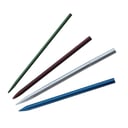 Needles
 Reels
Reels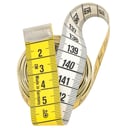 Measuring instruments
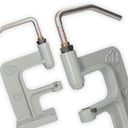 Spindle Hand Press And Accessories
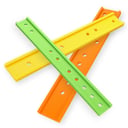 Moulds
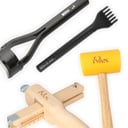 Ivan® Leer Tools
 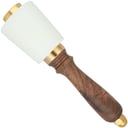 Kevin Lee Leather Tools
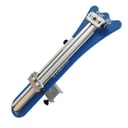 Paracord Jigs
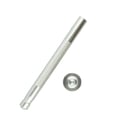 Punches
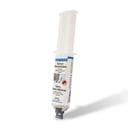 Glue
Glue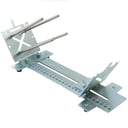 Knoop Hulpmiddelen
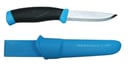 Messen, Scharen en Touwbranders
 Books
Books Cutting Mats


The tools in this category are selected to work with the materials in our range: paracord, BioThane, PPM cord, leather and coated webbing, or flexible materials in general. Some are compatible with multiple materials, while others are optimised for specific applications like leather or BioThane.
At minimum, you'll need scissors or a heat cutter, a tape measure and a lighter to seal the ends. If you want more comfort while working, a paracord needle and a jig are the two tools that make the biggest difference. For more advanced leather or BioThane projects, add a punch and a hand press.
A blunt-tip needle is safer for the cord and avoids accidentally damaging strands when feeding paracord underneath knotwork. A sharp-tip needle can punch through denser materials but can damage the cord if used carelessly. For most knotting projects, a blunt tip is recommended.
A paracord jig is a knotting board that holds consistent tension while you work, making knotting more precise, faster and more comfortable on your posture. It's especially useful for longer projects where maintaining tension by hand becomes awkward or imprecise.
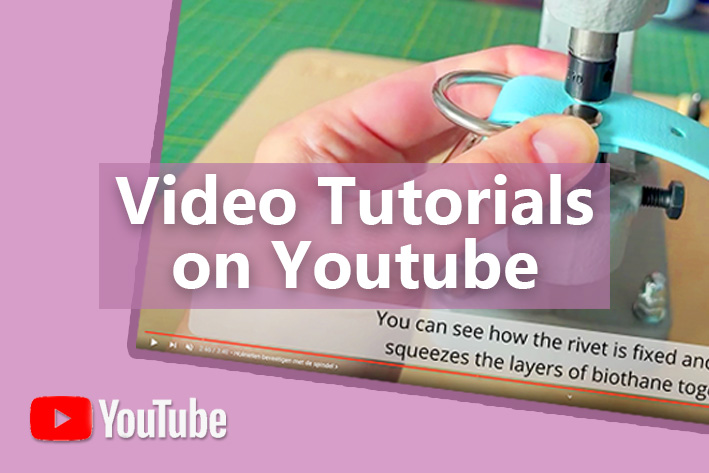
Working with BioThane and leather requires at minimum a punch for making holes, a tape measure, scissors or a cutting knife, and rivets or Chicago screws to join pieces together. For a more professional, even finish, a Spindle Hand Press with the right dies gives significantly better results than manual hand tools.
A heat cutter is the cleanest way to cut paracord, since it seals the end as it cuts, preventing fraying. If you don't have a heat cutter, sharp scissors followed by a lighter to seal the ends gives the same result.